
The Local Source for News and Information Since 1980

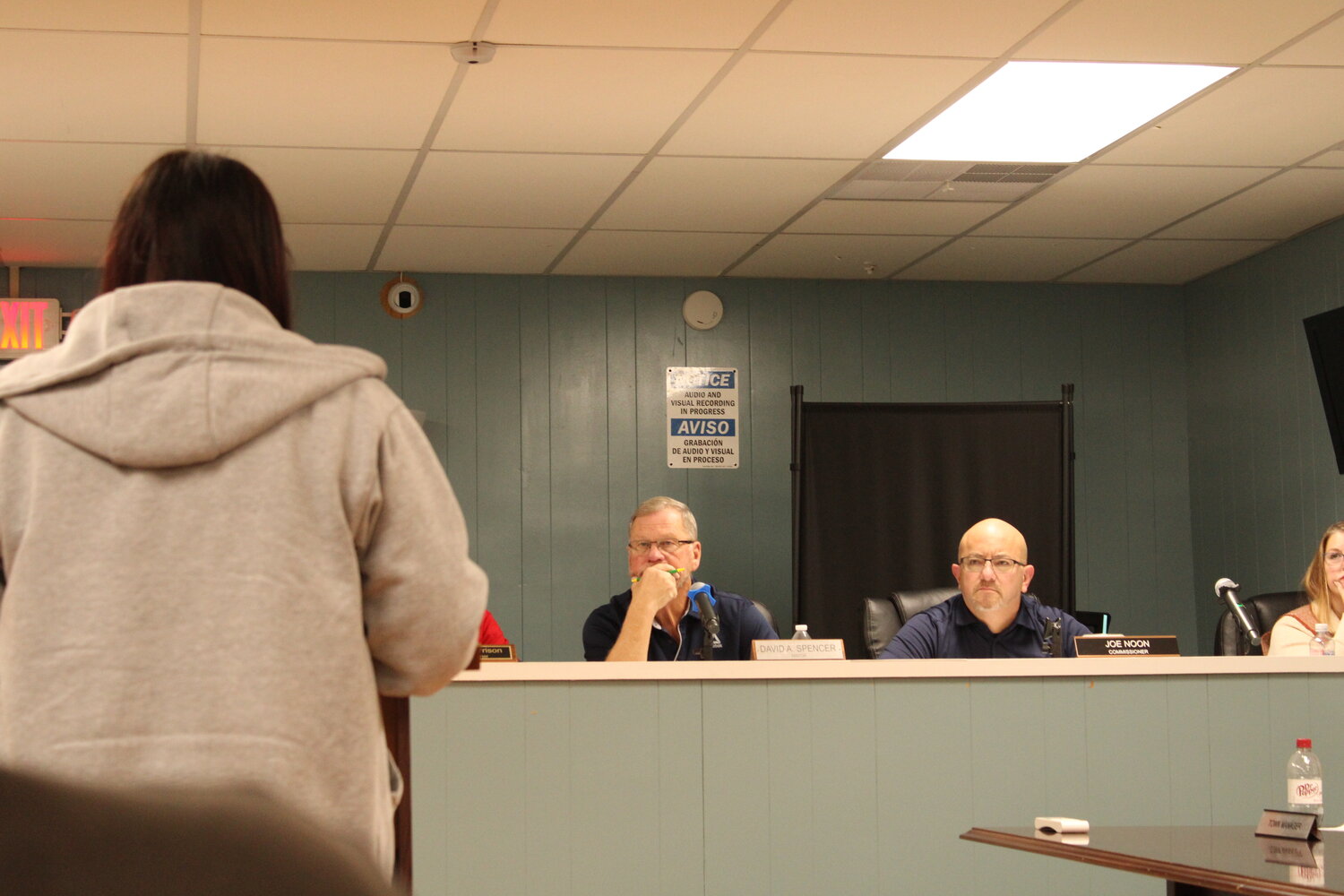


GREENSBORO – In an unusual turn of events, the Greensboro Town Council denied a proposed ordinance during their November 20 meeting.
The ordinance in question was 2025-O-11, which would change water and sewer billing from a quarterly cycle to monthly and strike the current payment plan option. The change was proposed by Town Manager Cindy Yost, who said, “We had come to the Mayor and Council and requested that we no longer accept the payment plans just because of the amount of work and time that was spent on trying to keep up with them, and the majority of them were not in compliance with the payment plans.”
Yost explained that the Town looked into switching from quarterly to monthly billing due to residents complaining that a high quarterly bill was more difficult to budget for. “I can tell you that we put out about 152 flag notices about a week and a half ago to people that were about to be turned off. A lot of those individuals did come in and express their concern about paying the quarterly bills,” she said. Another reason for the switch would be to detect water leaks faster and streamline the billing process for town employees. If changed to a monthly charge, Yost said the bill would come out to $104.17 for 4000 gallons of usage.
During a public hearing on the ordinance, residents in attendance expressed that the opportunity to make voluntary payments has always been available to those who would prefer to pay monthly, and that a formal change to monthly billing would not make delinquencies less common. One resident pointed out that in some cases, it could even cost families more.
“I do not think it’s going to help with delinquencies,” said resident Leva Taylor. Taylor also questioned the money that would be spent on extra stationery to distribute monthly bills. Resident Bill Schaffner echoed both of those sentiments, to which Yost responded that monthly billing would cost an additional $5,000 to $6,000 in envelopes, paper, printing, and postage.
Greensboro local Donna Clay, a former math teacher, read a prepared statement based on her own research of the topic, “Going to monthly billing where the limit is 4,000 gallons increases the likelihood that families will incur overages.” Clay was referencing the quarterly allotment of 12,000 gallons of usage residents are allowed before incuring overages. She explained that some families currently use over 4,000 gallons in one month, but then use much less than that the next month, so their quarterly usage still balances out to under 12,000 gallons. If the billing was switched to monthly, she argued these families would be paying overages they normally would not have to pay. “For example, in January, 2900 gallons. February, 3200. March, 4200. That's a total of 10,300 gallons, so no overages for the quarterly billing, but an additional $25 for monthly billing, and they still have not even used the [current] minimum 12,000 gallons.”
“It's always been known…that I could walk in Town Hall and pay every month. No one has ever turned my check away. It has always been processed through my bank. And like Leva said, this isn't going to do away with the delinquent people,” said another resident, Paula Turner.
Councilmembers weighed the options, each acknowledging they’d rather personally pay monthly and that a monthly system would allow leaks to be caught earlier, but they understood the sentiments being made against it. Mayor David Spencer said on the potential for extra overages, “I don't think that's fair. I don't know how we fix that, or how we get around that, but that's just hard for me to swallow passing this.” He mentioned he would rather residents have the option to pay quarterly or monthly with the current 12,000 gallon per quarter cut-off. “That option is always available, always has been available,” Yost clarified.
“The simplistic option would be to continue allowing the quarterly and the monthly billing based on people's preference, encouraging them to receive their bill by email, to save the work and the money on that,” said Mayor Spencer. Councilmember Kim Ernest made a motion to table the ordinance, but it was not seconded. Councilmember Pete Brelia made a follow-up motion to deny the ordinance, which Ernest seconded, and the motion to deny was unanimously passed. A subsequent resolution, which would have changed the trash billing in town to monthly rather than quarterly to match the water and sewer billing, was also denied by the Council.
“The power of public comment,” said Town Attorney Lyndsay Ryan.


